 Behavior
Why Your Cat Kneads (And What It Means)
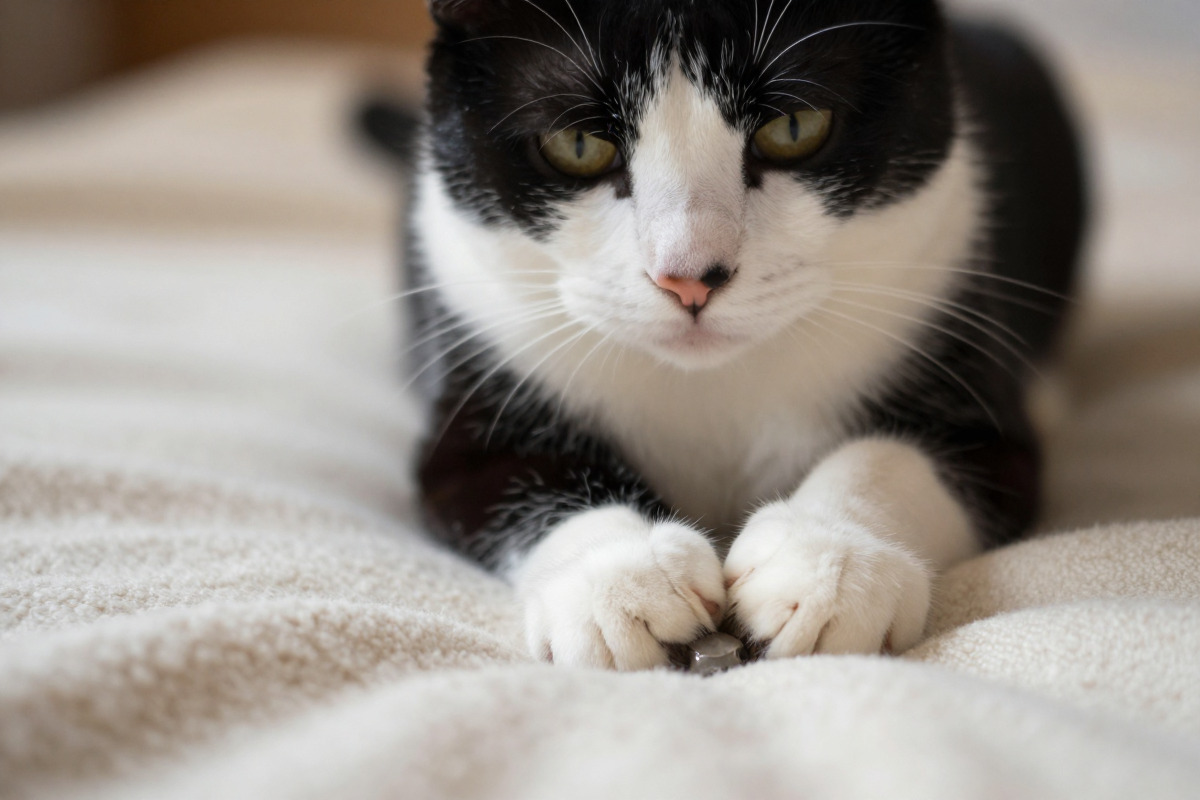
If you've ever been on the receiving end of a cat's rhythmic paw-pushing — that gentle, repetitive motion against your lap, a blanket, or even the air — you know the feeling. It's mesmerizing, a little ticklish, and undeniably endearing. But have you ever wondered why your cat kneads?
This behavior, sometimes called "making biscuits" by cat owners (because it resembles kneading dough), is one of the most common and beloved feline habits. And as it turns out, the science behind it is just as fascinating as the act itself.
The Kitten Connection
The most widely accepted explanation traces kneading back to kittenhood. Newborn kittens knead their mother's belly to stimulate milk flow while nursing. The motion is instinctive and deeply associated with comfort, warmth, and nourishment.
Even after kittens are weaned, the association between kneading and that feeling of safety persists. When your adult cat kneads your lap, they're essentially reliving that primal sense of security. It's one of the highest compliments a cat can give you.
Territorial Marking
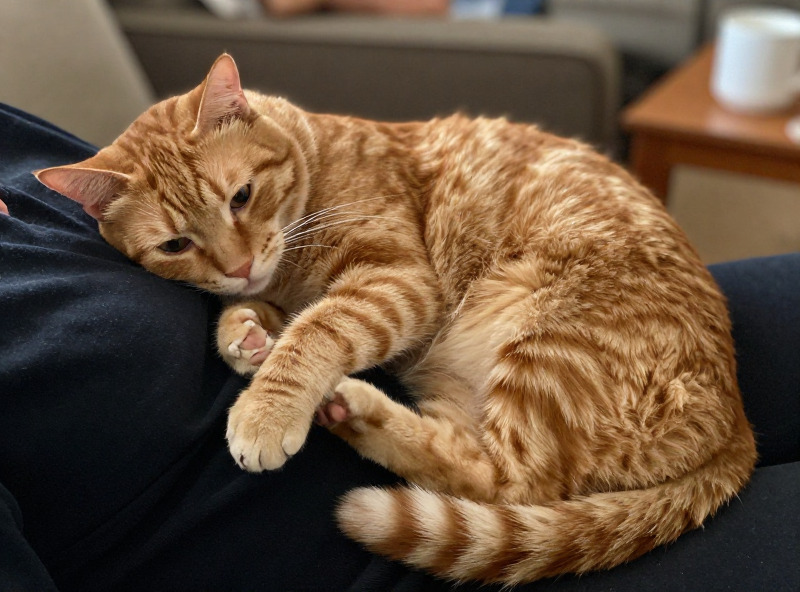
Cats have scent glands in their paw pads. When they knead a surface — be it your favorite sweater or the couch cushion — they're depositing their scent and effectively claiming it as their own. This is a subtle but important form of communication in the feline world.
So when your cat kneads your lap, they're not just getting comfortable. They're saying, "This human is mine."
Stress Relief and Self-Soothing
Just as humans might fidget, pace, or squeeze a stress ball, cats knead as a form of self-soothing. The repetitive motion can help reduce anxiety and promote relaxation. You may notice your cat kneading more during stressful situations — a new pet in the home, a thunderstorm, or after a trip to the vet.
"Kneading is one of those behaviors that bridges the gap between instinct and emotion. It's a window into your cat's inner world." — Dr. Sarah Whitfield, Feline Behavioral Specialist
Preparing a Resting Spot
Wild ancestors of domestic cats would knead grass or foliage to create a soft, comfortable spot for resting or giving birth. This nesting behavior has carried over into the domestic cat's repertoire. If you see your cat kneading a blanket before curling up, they're simply making their bed — cat style.
When Kneading Becomes a Concern
In most cases, kneading is perfectly normal and healthy. However, excessive kneading accompanied by other behaviors might warrant attention:
- Suckling while kneading — This can indicate the cat was weaned too early. It's generally harmless but worth mentioning to your vet if it's obsessive.
- Kneading with extended claws — This is normal but can be painful for you. Keep your cat's nails trimmed, or place a thick blanket on your lap.
- Sudden increase in kneading — If your cat suddenly starts kneading much more than usual, it could be a sign of stress or anxiety. Consider recent changes in their environment.
Embrace the Biscuits
At the end of the day, kneading is a sign that your cat feels safe, content, and bonded to you. It's one of those small, beautiful rituals that makes the human-cat relationship so special. So the next time your cat starts making biscuits on your favorite blanket, take it as the compliment it is — and maybe grab a cup of tea and enjoy the moment.